
Table of Contents
- What Makes Medical-Grade Skincare Different
- Medical Grade vs Drugstore Skincare Efficacy: The Real Differences
- Best Anti-Aging Ingredients for 2026
- Hyaluronic Acid Benefits for Skin and Cellular Renewal
- How to Build a Medical Grade Skincare Routine
- Cost-Benefit Analysis: Price-Per-Use Breakdown
- Skin Barrier Health vs. Aggressive Treatment
- Conclusion
Last Updated: August 29, 2026
What Makes Medical-Grade Skincare Different
Medical-grade skincare stands apart from drugstore alternatives because it contains active ingredients at concentrations proven to penetrate the skin barrier and drive cellular change. The difference isn't marketing, it's formulation science. Medical-grade products are typically available only through dermatologists, estheticians, or licensed skincare professionals, and they're held to stricter manufacturing standards than over-the-counter cosmetics.
The key distinction lies in active ingredient concentration and molecular weight. A medical-grade retinol serum might contain 0.5% to 1% retinol, while a drugstore alternative contains 0.025% or less. That gap matters because lower concentrations often don't reach the dermal layer where collagen production happens. Medical-grade formulations also prioritize bioavailability, the ability of ingredients to actually absorb into skin cells rather than sitting on the surface.
At VIRALCORE HEALTH, we recognize that understanding these differences helps you make informed choices about where your skincare budget goes. Professional-grade products are engineered for efficacy, not just aesthetics. They're formulated with stabilized active ingredients, optimal pH balance, and delivery systems designed to maximize penetration depth. This is why dermatologists recommend them for addressing serious concerns like photoaging, hyperpigmentation, and loss of skin elasticity.
The regulatory landscape also differs. Medical-grade skincare often undergoes clinical testing to support efficacy claims. Over-the-counter products are classified as cosmetics and don't require the same level of proof. When you invest in medical-grade skincare, you're paying for formulations backed by clinical-strength research and therapeutic efficacy.
Medical Grade vs Drugstore Skincare Efficacy: The Real Differences
The efficacy gap between medical-grade and drugstore skincare comes down to three factors: concentration, stability, and delivery mechanism. A drugstore moisturizer might hydrate the surface of your skin temporarily. A medical-grade hydrating serum with hyaluronic acid and ceramides penetrates deeper, supports the lipid barrier, and maintains hydration at the cellular level.
Drugstore products are designed for broad appeal and shelf stability. They contain lower concentrations of active ingredients to minimize irritation risk and extend shelf life. Medical-grade formulations prioritize therapeutic outcome over mass-market comfort. This means they may cause initial irritation as your skin adjusts, a sign that cellular turnover is actually accelerating.
Professional-grade products use advanced formulation technology. Liposomal delivery systems encapsulate active ingredients so they reach deeper skin layers. Peptide complexes stimulate collagen production more effectively than basic moisturizers. Antioxidants like resveratrol and quercetin are stabilized to prevent degradation, ensuring they remain potent when you apply them.
| Aspect | Medical-Grade | Drugstore |
|---|---|---|
| Active Ingredient Concentration | 0.5-5% (therapeutic range) | 0.025-0.1% (cosmetic range) |
| Clinical Testing | Yes, typically | Rarely |
| Penetration Depth | Dermal layer | Epidermis only |
| Price Per Use | Higher upfront, lower per application | Lower upfront, higher per application |
| Skin Barrier Impact | Strengthens with proper use | Temporary hydration only |
| Expected Results Timeline | 4-12 weeks | 1-2 weeks (temporary) |
The real efficacy question isn't whether medical-grade works, clinical studies support that it does. The question is whether the investment aligns with your skin goals and timeline. If you're addressing fine lines, uneven texture, or loss of elasticity, medical-grade products deliver measurable results. If you're looking for basic hydration, drugstore options may suffice.
Best Anti-Aging Ingredients for 2026
The most effective anti-aging ingredients work by stimulating collagen production, accelerating cellular turnover, or protecting against oxidative stress. Retinoids remain the gold standard because they directly trigger fibroblast activity, the cells responsible for collagen synthesis. Retinol, retinaldehyde, and prescription-strength retinoids like tretinoin all work, but they differ in potency and tolerance.
Peptides have gained traction because they signal skin cells to produce more collagen and elastin. A clinical-strength peptide serum applied consistently can improve skin texture and firmness within 8 weeks. Niacinamide (vitamin B3) strengthens the skin barrier and reduces inflammation, making it ideal for sensitive skin addressing early aging signs. Many professionals recommend pairing niacinamide with retinoids to minimize irritation.
Hyaluronic acid remains relevant, but only when formulated correctly. Low molecular weight hyaluronic acid penetrates the dermis and holds moisture where it matters. High molecular weight versions sit on the surface, hydrating temporarily but not addressing deeper aging concerns.
Vitamin C (ascorbic acid) is potent but unstable. Look for stabilized forms like ascorbyl palmitate or tetrahexyldecyl ascorbate, which maintain efficacy longer. Vitamin C brightens skin, reduces hyperpigmentation, and provides antioxidant protection against photoaging.
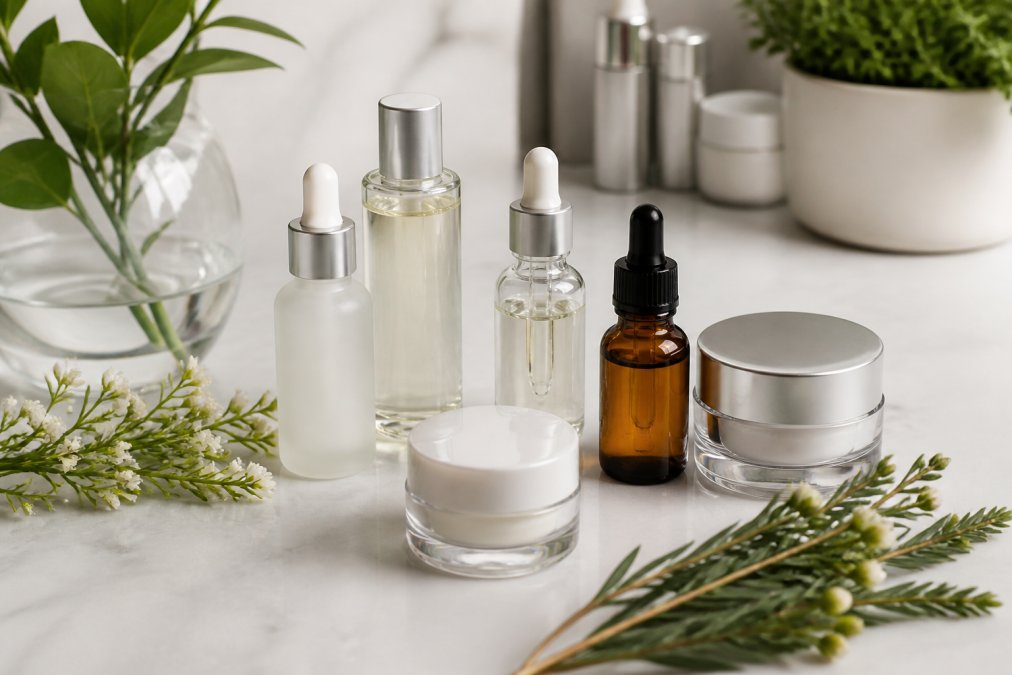
Resveratrol and quercetin are powerful antioxidants that combat oxidative stress, a primary driver of aging. They protect skin cells from environmental damage and support collagen stability. These ingredients are often found in professional-grade serums because they're expensive and require careful formulation to remain stable.
Retinol-infused renewal creams, like those in the VIRALCORE HEALTH collection, combine multiple anti-aging mechanisms in one product. By pairing retinol with supporting ingredients like peptides and antioxidants, these formulations address multiple aging pathways simultaneously, collagen stimulation, cellular turnover, and oxidative defense.
Hyaluronic Acid Benefits for Skin and Cellular Renewal
Hyaluronic acid is a humectant, meaning it draws moisture from the environment into your skin. One molecule of hyaluronic acid can hold up to 1,000 times its weight in water, making it exceptional for hydration. But its anti-aging benefits extend beyond surface hydration.
When formulated at low molecular weight (under 50,000 Daltons), hyaluronic acid penetrates the dermal layer and supports cellular hydration at the level where collagen and elastin reside. This deeper hydration plumps fine lines, improves skin texture, and creates an environment where fibroblasts function optimally. Well-hydrated skin cells are more responsive to other anti-aging ingredients like retinoids and peptides.
Hyaluronic acid also supports skin barrier function. The lipid barrier, your skin's protective layer, requires adequate hydration to maintain integrity. When the barrier is compromised, moisture escapes and irritants penetrate. Hyaluronic acid serum applied to damp skin locks in that moisture, strengthening barrier health over time.
For cellular renewal, hydration is foundational. Dehydrated skin cells cannot undergo proper cellular turnover. Adding a clinical-strength hyaluronic acid serum to your routine accelerates this process. Apply it to slightly damp skin immediately after cleansing, then follow with a moisturizer to seal hydration in.

The best hyaluronic acid formulations include supporting ingredients. VIRALCORE HEALTH's hydrating serums often pair hyaluronic acid with ceramides and niacinamide to strengthen the lipid barrier while delivering deep hydration. This combination addresses multiple hydration pathways, osmotic (drawing water in), occlusive (preventing water loss), and structural (supporting barrier lipids).
How to Build a Medical Grade Skincare Routine
A professional-grade skincare routine doesn't need to be complicated. The foundation is cleanse, treat, and protect. Start with a gentle cleanser that removes makeup and impurities without stripping the skin barrier. Many people skip this step or use harsh products, which weakens their barrier and reduces the efficacy of everything that follows.
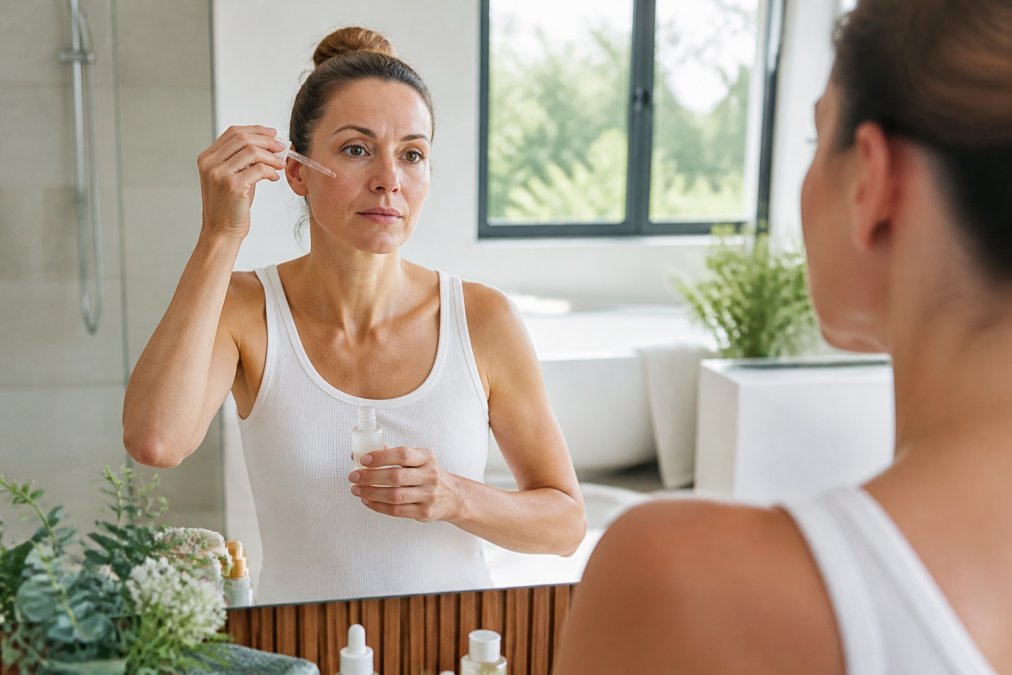
After cleansing, apply a targeted treatment serum. This is where your active ingredients go, retinol, vitamin C, peptides, or hyaluronic acid. Apply to clean, damp skin and wait 1-2 minutes before moving to the next step. Many people rush this phase, but allowing time for absorption maximizes efficacy.
Follow with a moisturizer that supports your skin barrier. Look for ingredients like ceramides, niacinamide, and fatty acids. If you're using a retinoid, moisturize generously to minimize irritation and support barrier health. In the morning, add a broad-spectrum SPF 30 or higher, sunscreen is non-negotiable for anti-aging because UV exposure accelerates photoaging and collagen breakdown.
A realistic routine looks like this:
- Morning: Cleanser → Vitamin C serum → Moisturizer → Sunscreen (5 minutes total)
- Evening: Cleanser → Retinol serum or peptide treatment → Moisturizer (5 minutes total)
Start slowly with active ingredients. If you're new to retinoids, begin with a low concentration (0.025% retinol) twice weekly, then increase frequency as tolerance builds. This prevents the irritation that discourages people from continuing professional-grade routines.
Consistency matters more than complexity. A simple routine you'll actually follow beats an elaborate one you abandon. Many busy professionals find success with a simplified approach: one active ingredient (retinol or vitamin C), one hydrating serum (hyaluronic acid), and one moisturizer. Add sunscreen in the morning, and you have a complete anti-aging regimen.
Cost-Benefit Analysis: Price-Per-Use Breakdown
Medical-grade skincare costs more upfront, but the price-per-use calculation often favors professional products. A 30 mL retinol serum from a medical-grade brand costs more than a drugstore alternative, but it contains a higher concentration of active ingredient. You use less product per application because it's more potent.
A typical medical-grade serum provides 60-90 applications per bottle. If a 30 mL serum costs $60, that's approximately $0.67 per application. A drugstore serum at $15 might provide 30 applications at $0.50 per application. The difference seems small until you consider efficacy. If the medical-grade serum delivers visible results in 8 weeks while the drugstore option shows minimal change, the true cost comparison isn't just price, it's investment versus wasted money.
Many people spend money on drugstore skincare for months without seeing results, then switch to professional-grade products and see changes within 4-6 weeks. From a time-to-results perspective, medical-grade skincare is more efficient.
Consider also the sustainability angle. Professional-grade products are formulated to work, which means you're less likely to constantly switch products chasing results. This reduces overall spending on skincare experimentation. A focused routine with proven ingredients costs less over time than cycling through multiple drugstore lines.
VIRALCORE HEALTH's NAD Cellular Renewal Capsules ($56.00 for 80 capsules) support skin elasticity from within, complementing topical skincare. Taken consistently, internal support supplements your professional-grade routine, addressing aging through multiple pathways, topical, nutritional, and systemic.

For hydration specifically, a quality hyaluronic acid serum lasts 2-3 months with nightly use. That's $0.44-0.89 per day. The alternative, buying multiple drugstore moisturizers that don't address deeper hydration needs, often costs more and delivers less.
Skin Barrier Health vs. Aggressive Treatment
This is where many people make mistakes. The impulse to address aging aggressively, using high-strength retinoids, multiple actives, or frequent treatments, can damage the skin barrier and create sensitivity that undermines long-term results. A compromised barrier leads to redness, irritation, and reduced tolerance for any active ingredients.
The most effective anti-aging approach prioritizes barrier health first. A strong barrier means your skin can tolerate more active ingredients and absorb them more effectively. It also means better hydration, less inflammation, and faster healing. Professional-grade skincare recognizes this balance.
Aggressive treatments work in the short term, you see faster cellular turnover and collagen stimulation. But if your barrier is damaged, you'll experience increased sensitivity, water loss, and irritation that halts progress. Many dermatologists now recommend a slower, barrier-focused approach: lower concentrations of actives, more frequent moisturizing, and consistent sunscreen use.
The science supports this. Skin barrier function depends on lipid content, pH balance, and the integrity of tight junctions between cells. Overusing strong actives disrupts these. A routine that supports barrier health while gently stimulating collagen production delivers better long-term results than an aggressive approach that sacrifices barrier integrity.
This is why professional-grade formulations often include barrier-supporting ingredients like ceramides, niacinamide, and fatty acids alongside active ingredients. VIRALCORE HEALTH's approach emphasizes this balance, pairing retinol with moisturizing and barrier-strengthening components rather than recommending harsh, stripped-down routines.
If you're experiencing sensitivity, redness, or tight skin, your barrier is compromised. Pause actives, increase moisturizing, and focus on barrier repair for 2-4 weeks. This temporary adjustment prevents long-term damage and allows your skin to reset. Once barrier health improves, you can reintroduce actives more effectively.
Medical-grade skincare is worth the investment if you're serious about addressing aging and improving skin quality. The difference in efficacy, formulation science, and clinical backing justifies the cost for most people over 40 addressing visible aging concerns. However, success depends on consistency, barrier-conscious use, and realistic timelines. Start with a simple routine featuring one proven active ingredient, support it with hydration and barrier care, and commit to 8-12 weeks before assessing results. VIRALCORE HEALTH's curated selection of professional-grade skincare and supportive wellness products, including retinol-infused renewal creams, hydrating serums, and NAD supplements for cellular renewal, provides the foundation for intentional anti-aging that actually works.
=== FAQ ANSWERS (audit these too, same rules) ===
[1] Q: Is medical-grade skincare actually more effective than drugstore brands? A: Medical-grade skincare contains higher concentrations of active ingredients like retinoids, hyaluronic acid, and antioxidants, which penetrate deeper into the skin. Drugstore products typically use lower concentrations to reduce irritation and cost. Clinical-strength formulations undergo more rigorous testing for bioavailability and dermal absorption. However, results depend on consistency, skin type, and realistic expectations, medical-grade products work best when used as part of a dedicated routine over 8-12 weeks.
[2] Q: How long does it take to see results from medical-grade anti-aging products? A: Most people notice improvements in skin texture and hydration within 4-6 weeks of consistent use. Fine lines and hyperpigmentation typically show visible reduction after 8-12 weeks. Deeper anti-aging benefits like improved collagen production and skin elasticity develop over 3-6 months. Results vary based on skin condition, age, product concentration, and lifestyle factors like sleep and sun protection. Patience and adherence to a routine matter more than the price point.
[3] Q: What active ingredients should I look for in medical-grade anti-aging skincare? A: Key ingredients include retinoids (prescription-strength or clinical-grade), hyaluronic acid for hydration and cellular turnover, vitamin C for antioxidant protection, niacinamide for skin barrier function, and peptides for collagen production. Resveratrol and quercetin address oxidative stress and photoaging. Look for products that specify concentration levels and have dermatologist-formulated labels. Medical-grade products list these ingredients prominently and often include supporting compounds to enhance penetration depth and formulation stability.
[4] Q: Can professional-grade skincare fit into a busy routine? A: Yes. An effective medical-grade routine requires only 3-5 minutes daily: cleanser, targeted serum (like hyaluronic acid or retinol), and moisturizer with SPF. Many professionals use morning and evening rituals that take less time than typical routines because higher concentrations mean fewer products needed. VIRALCORE HEALTH's curated approach focuses on essential steps rather than complicated multi-step regimens, making it realistic for busy lifestyles while maintaining clinical efficacy.
Frequently Asked Questions
Is medical-grade skincare actually more effective than drugstore brands?
Medical-grade skincare contains higher concentrations of active ingredients like retinoids, hyaluronic acid, and antioxidants, which penetrate deeper into the skin. Drugstore products typically use lower concentrations to reduce irritation and cost. Clinical-strength formulations undergo more rigorous testing for bioavailability and dermal absorption. However, results depend on consistency, skin type, and realistic expectations, medical-grade products work best when used as part of a dedicated routine over 8-12 weeks.
How long does it take to see results from medical-grade anti-aging products?
Most people notice improvements in skin texture and hydration within 4-6 weeks of consistent use. Fine lines and hyperpigmentation typically show visible reduction after 8-12 weeks. Deeper anti-aging benefits like improved collagen production and skin elasticity develop over 3-6 months. Results vary based on skin condition, age, product concentration, and lifestyle factors like sleep and sun protection. Patience and adherence to a routine matter more than the price point.
What active ingredients should I look for in medical-grade anti-aging skincare?
Key ingredients include retinoids (prescription-strength or clinical-grade), hyaluronic acid for hydration and cellular turnover, vitamin C for antioxidant protection, niacinamide for skin barrier function, and peptides for collagen production. Resveratrol and quercetin address oxidative stress and photoaging. Look for products that specify concentration levels and have dermatologist-formulated labels. Medical-grade products list these ingredients prominently and often include supporting compounds to enhance penetration depth and formulation stability.
Can professional-grade skincare fit into a busy routine?
Yes. An effective medical-grade routine requires only 3-5 minutes daily: cleanser, targeted serum (like hyaluronic acid or retinol), and moisturizer with SPF. Many professionals use morning and evening rituals that take less time than typical routines because higher concentrations mean fewer products needed. VIRALCORE HEALTH's curated approach focuses on essential steps rather than complicated multi-step regimens, making it realistic for busy lifestyles while maintaining clinical efficacy.
This article was written using GrandRanker