
Table of Contents
- Signs of a Damaged Skin Barrier You Shouldn't Ignore
- What Causes Skin Barrier Damage in the First Place
- Skin Barrier Repair Ingredients That Actually Work
- How to Fix Skin Barrier Hydration: Step-by-Step Routine
- Ingredients to Avoid When Your Skin Barrier Is Compromised
- How Long to Heal Your Skin Barrier: What to Expect
- Internal Factors That Affect Skin Barrier Hydration
- Conclusion
Last Updated: August 22, 2026
Your skin barrier is working against you right now, and you probably don't realize it. The skin barrier hydration cycle is one of the most misunderstood concepts in skincare: most people treat the symptoms without addressing the underlying structural breakdown. This guide cuts through the noise and gives you a practical, step-by-step framework for how to fix skin barrier hydration from the inside out. Below, we'll cover the exact signs to watch for, the ingredients that genuinely work, and a simplified routine that respects your skin's biology rather than fighting it.
The skin barrier, technically the stratum corneum, is the outermost layer of your skin. It acts as a physical shield that controls transepidermal water loss, keeps irritants out, and maintains the moisture retention your skin depends on for elasticity and health. When it breaks down, everything else in your routine stops working correctly.
Signs of a Damaged Skin Barrier You Shouldn't Ignore
A compromised skin barrier announces itself clearly, if you know what to look for.
Skin Symptoms That Signal Barrier Breakdown
The most common signs of a damaged skin barrier include persistent tightness, flaking, redness, and a stinging sensation when you apply products that previously felt fine. Skin sensitivity often escalates: a moisturizer you've used for months suddenly causes irritation. Breakouts may increase even without changes to your routine, because a disrupted lipid barrier allows bacteria and environmental aggressors to penetrate more easily.
Dermal health also suffers visually. You may notice a dull, rough texture, uneven tone, and a general lack of plumpness that no amount of hydrating serum seems to fix. That's because surface hydration can't compensate for structural damage at the stratum corneum level. The skin simply cannot hold water when the barrier is compromised.
According to the National Eczema Association's overview of barrier function, a disrupted barrier is the central driver behind conditions like eczema and chronic skin irritation, not just a cosmetic inconvenience.
When Stress and Lifestyle Accelerate the Damage
Here's what most skincare guides skip entirely: psychological stress has a measurable effect on skin barrier function. Chronic stress elevates cortisol, which disrupts the skin's ability to produce ceramides and maintain its pH balance. For professionals in high-pressure environments, this creates a compounding cycle: stress damages the barrier, the barrier dysfunction causes visible skin changes, and those changes create additional stress.
Poor sleep, dehydration, and a diet low in essential fatty acids all accelerate barrier degradation. This is not a fringe theory; it's the reason that two people with identical skincare routines can have dramatically different skin barrier outcomes based on lifestyle factors alone.
What Causes Skin Barrier Damage in the First Place
Most barrier damage is self-inflicted, and that's actually good news.
Over-exfoliation is the leading culprit. Acids, retinoids, and physical scrubs all compromise the stratum corneum when used too frequently or in combinations that overwhelm the skin's repair capacity. Harsh cleansers that disrupt the skin's natural pH balance, which sits between 4.5 and 5.5, strip the lipid barrier and leave skin vulnerable. Hot water, low-humidity environments, and air conditioning all increase transepidermal water loss without any active product use.
Environmental factors compound the damage. UV exposure without adequate sunscreen degrades the lipid barrier over time. Pollution and particulate matter trigger inflammation that impairs barrier function at the cellular level. Seasonal shifts, particularly dry winter air, dramatically reduce the skin's ability to retain moisture.
The pattern is consistent: barrier damage accumulates gradually, then presents suddenly. By the time you notice the tightness and flaking, the damage has been building for weeks.
Skin Barrier Repair Ingredients That Actually Work
Barrier repair is not about adding more products. It's about choosing the right ingredients and understanding how they function together.
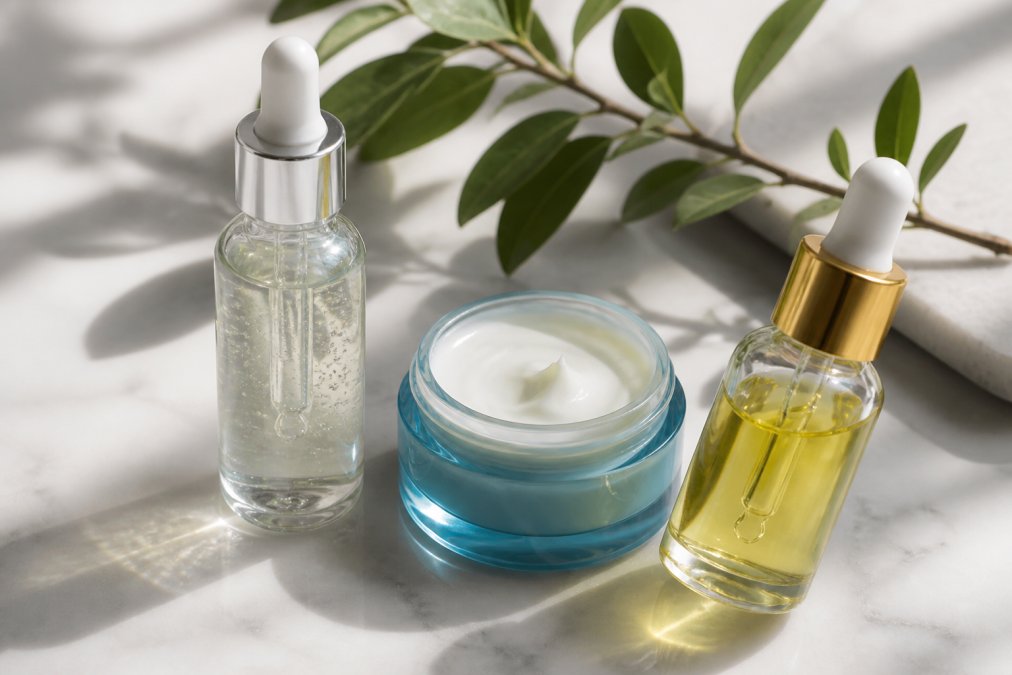
Ceramides, Fatty Acids, and Cholesterol: The Lipid Trio
Ceramides are the cornerstone of barrier repair. These lipid molecules make up roughly half of the stratum corneum's structure, and when they're depleted, the barrier loses its ability to retain moisture or block irritants. Look for products that list ceramide NP, ceramide AP, or ceramide EOP in the ingredient deck.
Fatty acids, particularly linoleic acid and oleic acid, work alongside ceramides to rebuild the lipid barrier. Cholesterol completes the trio. According to research published in the Journal of Investigative Dermatology, the optimal ratio of ceramides, fatty acids, and cholesterol is critical for effective barrier restoration. Products that contain all three in balanced proportions outperform single-ingredient approaches.
This lipid trio is the reason why minimalist, barrier-focused formulations often outperform complex, multi-active serums when the skin is compromised. More actives is not better during repair.
Humectants, Emollients, and Occlusives: How They Work Together
The repair stack has three functional layers, and skipping any one of them limits results.
Humectants draw water into the skin. Hyaluronic acid is the most well-known, capable of holding many times its weight in water. Glycerin is another effective humectant, often more accessible and equally effective for drawing moisture into the stratum corneum.
Emollients fill the gaps between skin cells, improving texture and creating a smoother surface. Squalane, shea butter, and certain plant oils function as emollients, softening the skin and supporting the lipid barrier's structural integrity.
Occlusives seal everything in. Petrolatum, lanolin, and dimethicone form a physical film over the skin that dramatically reduces transepidermal water loss. Occlusives are most effective as the final step in a routine, applied over humectants and emollients.
| Layer | Function | Key Ingredients |
|---|---|---|
| Humectant | Draws water into skin | Hyaluronic acid, glycerin, urea |
| Emollient | Fills gaps, softens texture | Squalane, shea butter, plant oils |
| Occlusive | Seals moisture in | Petrolatum, lanolin, dimethicone |
| Lipid repair | Rebuilds barrier structure | Ceramides, fatty acids, cholesterol |
How to Fix Skin Barrier Hydration: Step-by-Step Routine
The core principle of how to fix skin barrier hydration is this: reduce irritation, restore lipids, and lock in moisture. Every step in the routine below serves one of those three goals.
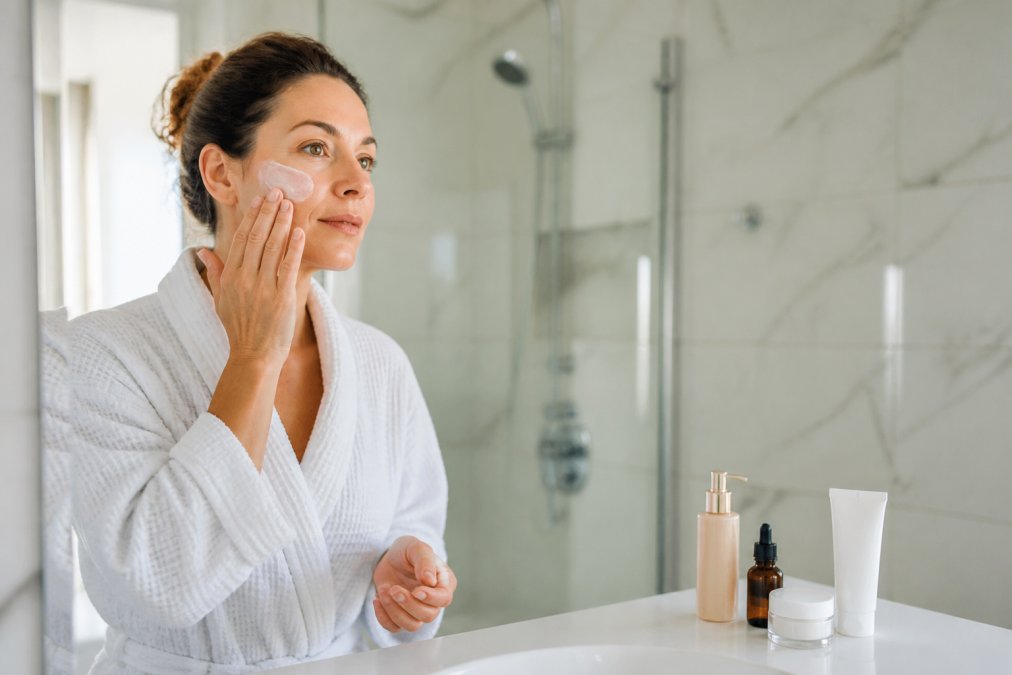
Step 1: Strip Back to a Gentle Cleanser
The first and most important move is to stop using anything that strips the skin. Replace your current cleanser with a gentle, pH-balanced formula that does not foam aggressively. Sulfate-free cleansers that maintain the skin's natural acidity are the standard here. Dermatologist-recommended options typically feature a short ingredient list and avoid fragrance, alcohol, and harsh surfactants.
Wash with lukewarm water, not hot. Limit cleansing to once daily during active repair if your skin is particularly reactive. Pat dry with a clean cloth rather than rubbing.
Step 2: Layer Hydration with the Right Actives
Apply a humectant serum to damp skin immediately after cleansing. Hyaluronic acid works best when the skin surface is slightly moist, as it pulls water from the environment and the deeper skin layers. Follow with an emollient moisturizer that contains ceramides, fatty acids, and cholesterol.
During the barrier repair phase, pause retinoids, AHAs, BHAs, and vitamin C. These actives are valuable long-term, but they impair repair when the barrier is already compromised. Reintroduce them gradually, one at a time, once your barrier has stabilized.
Step 3: Seal with an Occlusive and Apply Sunscreen Daily
The final step in the morning routine is non-negotiable: sunscreen. UV exposure degrades ceramides and accelerates transepidermal water loss, undoing any repair progress. Use a broad-spectrum SPF 30 or higher every morning, regardless of weather. This single habit has more long-term impact on skin barrier health than almost any other intervention.
At night, finish with an occlusive layer over your moisturizer. A thin layer of petrolatum or a ceramide-rich balm applied to slightly damp skin creates an environment where the barrier can repair itself overnight. This technique, sometimes called "slugging," is particularly effective during the first two weeks of barrier recovery.
As documented in the American Academy of Dermatology's guidance on moisturizing, applying moisturizer to damp skin and following with an occlusive significantly improves moisture retention compared to applying products to dry skin.
Ingredients to Avoid When Your Skin Barrier Is Compromised
The wrong ingredients during repair can extend your recovery from weeks to months. Avoid the following while your skin barrier is actively healing.
Fragrance and essential oils are among the most common sensitizers. Even "natural" fragrances trigger inflammation in compromised skin, disrupting the microbiome and delaying repair. This includes fragrant plant extracts and citrus-derived ingredients.
Alcohol denat appears in many toners and serums as a texture agent. It evaporates quickly, taking moisture with it and damaging the lipid barrier with repeated use.
High-concentration exfoliants including glycolic acid, salicylic acid, and lactic acid at active percentages should be paused entirely. Even low-concentration formulas can cause skin irritation when the barrier is already weakened.
Harsh surfactants like sodium lauryl sulfate strip the skin's natural oils and disrupt pH balance. Check your cleanser and body wash labels carefully.
Retinoids at full strength should be paused. They accelerate cell turnover, which is beneficial for healthy skin but counterproductive when the barrier needs to rebuild its lipid structure.
How Long to Heal Your Skin Barrier: What to Expect
How long to heal your skin barrier depends on the severity of the damage and the consistency of your approach. Mild barrier disruption from over-exfoliation or a harsh product switch often resolves within two to four weeks of a simplified, barrier-focused routine. More significant damage, particularly from prolonged misuse of actives or chronic skin conditions, may take six to twelve weeks to show meaningful improvement.
The first signal of recovery is usually reduced sensitivity: products that previously stung begin to feel neutral. Tightness and flaking diminish next. Skin texture and tone improvements follow as the stratum corneum rebuilds its lipid structure. Patience is genuinely required here. Rushing recovery by reintroducing actives too early is the most common reason people experience setbacks.
A common mistake is interpreting the initial calm period as full recovery and immediately returning to a complex routine. The barrier may feel better before it is fully restored. Give it the full recommended window before adding any exfoliants or retinoids back.
Internal Factors That Affect Skin Barrier Hydration
Topical products address the surface. What happens internally determines how effectively the barrier can rebuild itself.
Dietary fat intake matters more than most skincare guides acknowledge. Essential fatty acids, particularly omega-3s found in fatty fish, flaxseed, and walnuts, are precursors to the lipids that make up the skin barrier. A diet consistently low in healthy fats correlates with reduced skin elasticity and impaired barrier function.
Hydration is the most obvious internal factor and the most frequently underestimated. Adequate water intake supports the skin's ability to maintain moisture retention from within. No topical humectant fully compensates for chronic dehydration at the systemic level.
Gut health and the skin microbiome are increasingly recognized as connected systems. Research cited by the National Institutes of Health's database on skin microbiome research highlights the relationship between gut flora balance and skin inflammation. A disrupted gut microbiome can manifest as increased skin sensitivity and impaired barrier repair.
Sleep quality directly affects the skin's overnight repair cycle. The skin's cell turnover and ceramide synthesis peak during deep sleep. Chronic sleep deprivation is a genuine barrier disruptor, not just a wellness talking point.
Budget-conscious barrier repair is entirely achievable. The core ingredients that matter most, glycerin, petrolatum, and ceramides, appear in affordable drugstore formulations. The goal is the right ingredient combination, not the highest price point. VIRALCORE HEALTH's approach to skin barrier hydration centers on science-backed formulations, giving you active ingredients that do the work without unnecessary complexity.
Restoring your skin barrier takes a clear strategy and the discipline to stay simple when your instinct is to add more. The right approach strips back aggravating products, rebuilds the lipid structure with ceramides, fatty acids, and cholesterol, and protects the progress with daily sunscreen. VIRALCORE HEALTH's hydrating serums and targeted renewal formulations are designed specifically for this kind of intentional, science-backed recovery, with ingredient profiles that support barrier repair without overwhelming compromised skin. Start with the simplified routine in this guide, stay consistent for four to six weeks, and let the barrier do what it's built to do.
Frequently Asked Questions
How do I know if my skin's moisture barrier is damaged?
The most common signs of a damaged skin barrier include persistent tightness, flaking, redness, and increased sensitivity to products you previously tolerated. You may also notice your skin feels rough or looks dull even after moisturizing. Elevated transepidermal water loss is the underlying cause: moisture escapes faster than your skin can retain it. If your skin reacts to gentle cleansers or stings after applying a basic serum, barrier compromise is a likely explanation.
How long does it take to restore the skin's moisture barrier?
For mild damage, most people see noticeable improvement in skin hydration and reduced sensitivity within two to four weeks of consistently using a simplified, barrier-supportive routine. More significant damage, often caused by prolonged over-exfoliation or harsh actives, can take six to eight weeks to resolve. Healing time also depends on your diet, sleep quality, and stress levels. Patience matters more than adding new products during this period.
Can a damaged skin barrier cause acne and breakouts?
Yes. A compromised skin barrier disrupts the skin's microbiome and pH balance, creating conditions where acne-causing bacteria can thrive. Inflammation from barrier damage also increases sebum production in some skin types, which can clog pores. Many people make the mistake of treating the breakouts aggressively, which further damages the barrier. Restoring barrier function with skin barrier repair ingredients like ceramides and gentle humectants often reduces both irritation and breakout frequency over time.
What ingredients should I avoid when my skin barrier is compromised?
Avoid high-strength exfoliants such as glycolic acid above 5%, physical scrubs, alcohol-based toners, and fragranced products while your barrier is healing. Retinoids should be paused or reduced significantly until sensitivity resolves. Sodium lauryl sulfate in cleansers strips the lipid barrier and raises skin pH, slowing recovery. Stick to fragrance-free, pH-balanced formulas with a short ingredient list until skin irritation and tightness have fully subsided.
This article was written using GrandRanker